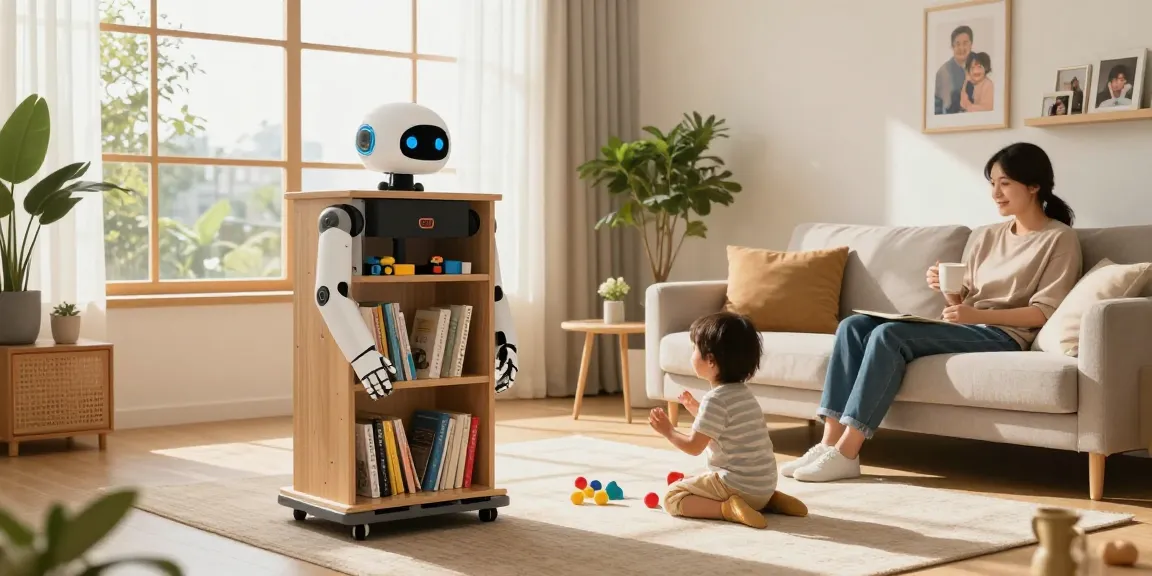
The Future of Home Robots in 2026
As technology continues to advance, home robots are poised to become integral companions in our households, enhancing our daily lives. In 2026, the market is expected to witness a significant surge in home robot adoption, driven by consumer demand for convenience and efficiency. From advanced cleaning solutions to personal assistance, these robots will not only perform mundane tasks but will also adapt to their environments and learn user preferences. When exploring options, home robot technologies will play a key role in reshaping the domestic experience.
Understanding Home Robot Capabilities
Home robots have evolved significantly from their earlier prototypes. Today, they are equipped with sophisticated sensors, artificial intelligence (AI), and machine learning capabilities that allow them to navigate and interact with their surroundings effectively. Some key capabilities include:
- Autonomous Navigation: Most modern home robots can make decisions about their path and avoid obstacles in real-time.
- Task Execution: These robots can handle a variety of tasks, from cleaning and cooking to more complex activities like managing schedules and reminders.
- Personalization: Advanced algorithms enable home robots to learn user preferences and routines over time, making them more effective helpers.
Consumer Demand and Market Trends
The demand for home robots has skyrocketed in recent years, fueled by a growing consumer preference for automation in everyday tasks. Several trends are emerging in the market:
- Increased Investment: Major tech companies are heavily investing in home robotics, indicating a strong belief in future growth.
- Affordability: As more players enter the market, prices for home robots are becoming more competitive, making them accessible to a wider audience.
- Integration with Smart Homes: Many consumers are looking for devices that can seamlessly integrate with their existing smart home systems, driving innovation in connectivity.
Innovations Driving Home Robot Development
Innovation remains at the heart of the home robotics field. Key technological advancements include:
- AI and Machine Learning: These technologies allow robots to process information and improve their performance based on past interactions.
- Enhanced Sensors: With improved sensors, robots can better understand their environment, which is essential for tasks that require precision.
- Improved Battery Life: Advances in battery technology are enabling longer operational times, enhancing the utility of home robots.
Choosing the Right Home Robot
Key Features to Consider When Selecting
Choosing the right home robot can be overwhelming due to the plethora of options available in 2026. Here are some essential features to consider:
- Functionality: Identify what tasks you need the robot to perform and ensure it meets those requirements.
- User Interface: A user-friendly interface is crucial for ease of use, especially for non-tech-savvy individuals.
- Compatibility: Make sure the robot works seamlessly with other smart devices you may have in your home.
Top Home Robot Brands in 2026
Several brands are leading the charge in the home robotics space for 2026:
- iRobot: Known for its Roomba series, iRobot continues to innovate with new models that enhance cleaning capabilities.
- Samsung: Their home robots are designed to integrate with smart home ecosystems, offering extensive functionality.
- Amazon: The Astro robot combines home monitoring and assistance, showcasing Amazon’s commitment to home automation.
Comparing Budget vs. Premium Models
When shopping for a home robot, understanding the difference between budget and premium models can help you make an informed decision:
- Budget Models: Generally offer basic functionalities and may lack advanced features such as AI learning or extensive compatibility.
- Premium Models: Tend to have superior technology, enhanced capabilities, and better interaction with users, providing more value over time.
Integrating Home Robots into Your Life
Common Use Cases for Home Robots
Home robots can serve multiple functions in today’s households. Common use cases include:
- Cleaning: Robots like vacuum cleaners and mops can maintain cleanliness with minimal human intervention.
- Cooking Assistants: Some robots can help with meal preparation, providing recipes and even cooking certain dishes.
- Security Monitoring: Equipped with cameras, home robots can act as mobile security devices, alerting homeowners to unusual activities.
Preparing Your Home for Automation
To effectively integrate home robots, homeowners should consider making some adjustments:
- Decluttering: Ensuring that spaces are clear will allow robots to navigate freely.
- Smart Home Setup: Having a robust network setup and compatible devices will enhance the functionality of home robots.
Creating a Seamless User Experience
For a smooth integration of home robots, it’s essential to focus on user experience:
- Training the Robot: Spend time teaching the robot about your home layout and preferences.
- Regular Updates: Keep your robot’s software updated to ensure it operates with the latest features and security measures.
Challenges and Limitations of Home Robots
Understanding Privacy Concerns
With the rise of home robots comes the pressing issue of privacy. Many consumers worry about:
- Data Security: Robots often collect data to learn user habits, raising potential security issues.
- Intrusiveness: There is concern over how much information these devices can access within our homes.
Common Misconceptions about Home Robots
Several misconceptions may deter potential users from adopting home robotics:
- Robots Are Too Expensive: While premium models can be pricey, there are affordable options that still offer many beneficial features.
- Not Effective: Many consumers believe that robots may not perform as well as traditional cleaning methods, but advancements have shown improved efficacy.
Technical Limitations and User Strategies
Despite advancements, some technical limitations still exist:
- Battery Life: Users may find that some robots have limited operation times, which can affect their efficiency.
- Navigation Challenges: While many robots navigate effectively, complex home layouts can still pose challenges.
The Future of Home Robotics
Emerging Technologies and Their Impact
The future of home robotics is bright, with emerging technologies poised to enhance capabilities:
- AI Advancements: As AI continues to evolve, robots will become even more adept at understanding and responding to human needs.
- Enhanced Connectivity: The integration of 5G technology will allow for faster and more reliable communication between devices.
Predictions for Home Robots in Everyday Life
Experts predict that in the coming years, home robots will be as commonplace as smartphones:
- Widespread Use: More households will adopt robots for various tasks, leading to increased efficiency and free time.
- Greater Collaboration: Future robots are expected to work alongside humans, providing support in both personal and professional settings.
Insights from Industry Experts
Industry experts emphasize the importance of ongoing innovation and consumer feedback:
- Feedback Integration: Companies must adapt their designs and functionalities based on user experiences to ensure satisfaction.
- Focus on Usability: The user interface should remain intuitive, making home robots accessible to everyone.